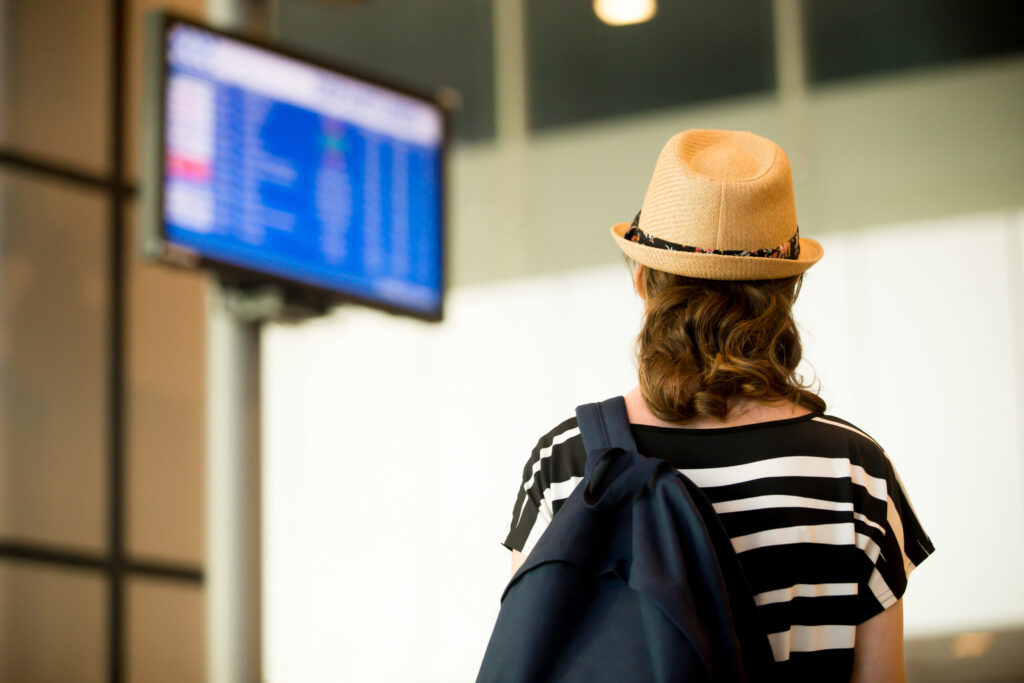
Airport TV Explained: How ReachTV Is Changing Travel Forever
Airport TV explained in simple terms. Learn how ReachTV transforms airport entertainment with live content and smart advertising.
Read more
You step off the plane in Istanbul, and the first thing that hits you isn’t the call to prayer, the scent of roasted chestnuts, or the swirl of traffic outside the airport; it’s the realization that Turkey is not quite what you imagined. It’s older, louder, richer, and infinitely more complex. For first-time visitors, Turkey can feel overwhelming. The beauty of the mosques, the bustle of the bazaars, and the clash of East and West are intoxicating, but they also raise practical questions. How do you navigate the transport chaos? Will you be able to communicate? Is that smiling carpet seller genuine, or is there a scam hidden in his grin?
This is where the right Turkey travel advice becomes invaluable. Consider this your guide through the surprises and snags that await and how to turn them into stories worth telling.
Problem: Many travelers arrive expecting either a European city or an exotic Middle Eastern escape. Turkey is both and neither. In Istanbul alone, Byzantine churches stand beside Ottoman mosques, modern skyscrapers rise above centuries-old hammams, and the Grand Bazaar is overwhelmed with colors, sounds, and scents. For first-timers, this dizzying blend can feel disorienting.
Solution: Embrace it rather than resist it. Don’t try to “categorize” Turkey as one culture or the other; accept it as a bridge. Walk through Sultanahmet in the morning to feel ancient Constantinople, then cross to Beyoğlu in the evening for hip cafés and rooftop bars. You’ll discover that Turkey’s magic lies precisely in its contradictions.
Problem: Istanbul’s traffic is legendary, and public transport signage can be confusing for those unfamiliar with Turkish. First-time visitors often overspend on taxis or end up lost in sprawling bus terminals.
Solution: Buy an Istanbulkart as soon as you arrive. It works on trams, buses, ferries, and the metro, saving you both money and confusion. Ferries, in particular, are not just transportation; they are experiences. Crossing the Bosphorus at sunset for the price of a coffee feels more luxurious than any taxi ride. And if you must take a cab, use only licensed yellow taxis and insist the meter is running.
Problem: The food in Turkey is irresistible, from smoky kebabs to honey-drenched baklava. But with menus in Turkish and locals eating in hidden spots off the tourist trail, first-timers risk either missing the best flavors or falling into overpriced tourist traps.
Solution: Follow locals at lunch. If a place looks ordinary but is crowded with Turkish families or office workers, you’ve found the real deal. Don’t just stop at döner kebabs; try pide (Turkish flatbread with toppings), menemen (scrambled eggs with tomatoes and peppers), or künefe (a hot cheese dessert soaked in syrup). And yes, drink the tea offered; it’s part of hospitality, not a trick.
Problem: Turkish is not a language most travelers dabble in, and outside big cities, English is limited. Simple transactions, from ordering coffee to asking for directions, can become awkward charades.
Solution: Learn a few key phrases. “Merhaba” (hello), “Teşekkürler” (thank you), and “Ne kadar?” (how much?) will take you further than you think. Turks deeply appreciate the effort, and many will respond with a smile and patient gestures. Translation apps help too, but nothing replaces the goodwill a single Turkish word can generate.

Problem: Turkey is generally safe, but like any tourist hotspot, there are traps. First-timers are especially vulnerable in carpet shops, spice markets, and nightlife districts where inflated prices and persuasive sellers abound.
Solution: Be polite but firm. In bazaars, bargaining is expected: start low, keep smiling, and never feel pressured to buy. If someone offers you tea and a carpet “demonstration,” enjoy the experience, but don’t let courtesy trap you into a purchase you don’t actually want. For nightlife, stick to reputable venues recommended by locals or your hotel.
Problem: Turkey can feel both cheap and expensive depending on where you look. A gourmet dinner in Istanbul might rival London prices, while a fresh simit (sesame bread) on the street costs less than a dollar. First-time visitors often overspend early, not realizing better value lies around the corner.
Solution: Balance splurges with simplicity. Enjoy a fine dining rooftop in Istanbul one night, then feast on gözleme (stuffed flatbread) in a village the next. Domestic flights between cities are affordable, and buses are even cheaper; use them to stretch your budget. And always carry some cash; smaller shops and taxis often won’t accept cards.
Problem: Turkey is secular by law, but Islamic culture shapes daily life. First-timers sometimes stumble by dressing inappropriately at mosques or misunderstanding local customs.
Solution: Pack modest clothing for visits to religious sites. Women should carry a scarf to cover their heads in mosques; men should avoid shorts. Remove shoes before entering prayer areas, and keep voices low. Respect opens doors, literally and figuratively.
At some point, every traveler in Turkey feels it: the sheer density of history, the sensory overload of markets, and the push and pull of modern and traditional life. The challenge is real.
But here lies the secret: Turkey doesn’t need to be “done” in one trip. Let Istanbul surprise you, but also take time in Cappadocia, Pamukkale, or the Aegean coast. Slow down, sip tea, and watch the world pass. The gift of Turkey is not just in the monuments but in the pauses between them.
Turkey may feel like a puzzle at first, but that’s the charm of the journey. Download the ReachTV App and keep every trip inspired.
Airport TV explained in simple terms. Learn how ReachTV transforms airport entertainment with live content and smart advertising.
Read more
Airport hacks 2026 to skip lines, save time, and travel smarter. Learn expert tips for smooth airport travel.
Read more
Discover trending travel destinations 2026 with best spring break destinations 2026 and top summer travel trends worldwide
Read more