
Watch ReachTV’s Sports Highlights and Athlete Interviews
Watch ReachTV Sports Highlights and athlete interviews across U.S. airports. Stay updated on scores, key plays, and behind-the-scenes...
Read more
Every traveler has been there. You’re exhausted after sightseeing, hunger kicks in, and the first restaurant in sight feels like salvation. The menu promises “authentic flavors,” the view is perfect, and the waiter is already waving you inside. But after the first bite, reality hits: overpriced food, bland flavors, and an atmosphere carefully staged for outsiders.
This isn’t just a bad meal; it’s a tourist trap.
These restaurants exist everywhere, from historic European squares to tropical island ports. They lure in visitors with flashy menus and clever marketing, but rarely deliver true local cuisine. Learning to recognize them can save your wallet, sharpen your travel instincts, and most importantly, lead you to the genuine flavors locals cherish.
Let’s break down the 10 red flags of tourist-trap menus so you’ll never be fooled again.
A menu plastered with glossy photos often signals a kitchen focused on volume, not flavor.
While photos are common in casual eateries, especially where there’s a language barrier, over-reliance on them screams tourist marketing. Locals don’t need glossy photos to know what real food looks like.
If one restaurant offers pizza, sushi, burgers, paella, and steak, you can be certain none of them will shine.
A short, focused menu usually means fresh ingredients and a chef who knows their craft. A book-sized menu? That’s a freezer in disguise.
Authentic restaurants don’t need to beg. Their food and reputation bring in business naturally.
If a place needs sales tactics to fill tables, what does that say about the food?
Multilingual menus are practical, but when every page is decorated with national flags, the focus isn’t authenticity; it’s mass appeal.
It’s food designed to be familiar to foreigners, not authentic to the culture.
That restaurant with cathedral views or a prime oceanfront terrace near the cruise port? It’s charging for scenery, not cuisine.
Remember: the closer you are to a major landmark, the further you usually are from authentic food.
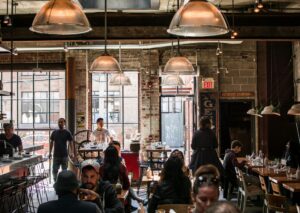
Some menus are crafted to fit tourists’ imagination of “local food” rather than reality.
When a dish feels more like a marketing gimmick than real heritage, it probably is.
Free Wi-Fi and 2-for-1 cocktail deals sound tempting, but they’re distractions.
Locals don’t pick restaurants for internet access or cheap mojitos. They come for the food.
Nothing signals a tourist trap more clearly than a menu missing numbers.
If you don’t see the price upfront, you’ll pay the “tourist rate.”
Online reviews can be a goldmine or a trap.
Trust reviews with specific details, photos, and mentions from locals. Ignore the robotic cheerleading.
The most reliable clue: look around.
If locals aren’t eating there, why should you?
It’s not just about avoiding overpriced pasta or soggy pizza; it’s about connection. Food is culture, and sitting at the same table as locals gives you a deeper, richer experience than any “made-for-tourists” menu ever could.
By dodging tourist traps, you’ll:
Spotting a tourist trap is a skill, and the more you travel, the sharper it becomes. Trust your instincts, follow the locals, and dare to step off the main boulevard. The most authentic meals are rarely the ones with the best views; they’re tucked away in side streets, alleys, and markets.
Travel smart, eat like a local, and savor the stories behind every dish.
For more insider travel hacks, follow ReachTV on Instagram because smart travel starts with awareness.
Watch ReachTV Sports Highlights and athlete interviews across U.S. airports. Stay updated on scores, key plays, and behind-the-scenes...
Read more
Learn how biometric check-in at airports makes travel faster, safer, and stress-free while improving passenger experience.
Read more
Business travel tips and hacks to save money, stay productive, and enjoy every trip. Smart strategies for 2026 travelers.
Read more