
Watch ReachTV’s Sports Highlights and Athlete Interviews
Watch ReachTV Sports Highlights and athlete interviews across U.S. airports. Stay updated on scores, key plays, and behind-the-scenes...
Read more
Maria clutched her phone in one hand and a crumpled napkin in the other, tears streaming down her face, not from heartbreak, but from the most extraordinary bowl of pho she’d ever tasted. Three days earlier, she’d been eating overpriced pad thai at tourist restaurants near her Bangkok hotel. Now, she sat in a plastic chair outside a nameless stall where the grandmother behind the counter spoke no English, yet somehow understood exactly what Maria needed.
The difference? A single app recommendation from a local university student she’d met at a coffee shop.
This moment of culinary enlightenment reveals something profound about modern travel: authentic experiences aren’t found through conventional searching; they’re discovered through digital archaeology, piecing together clues from apps that most tourists never think to consult.
Forget everything you think you know about food apps. The platforms transforming travel dining aren’t the obvious ones plastered with tourist reviews and sanitized restaurant photos. Instead, they’re the subtle digital ecosystems where locals actually communicate and where patient travelers can learn to eavesdrop on authentic recommendations.
Foursquare Swarm operates like a digital archaeologist’s tool. While tourists frantically screenshot Instagram posts of photogenic brunch spots, seasoned travelers quietly observe Swarm’s check-in patterns. A tiny Vietnamese restaurant with 847 check-ins but only twelve photos? That’s not a social media failure, it’s a local institution where people come to eat, not to perform.
The app’s heat mapping reveals fascinating truths about authentic dining. Those clusters of repeated check-ins from the same users tell a story: this isn’t a one-time novelty visit, but a place someone returns to weekly, sometimes daily. When you see office workers checking in religiously at 12:30 PM, you’ve found their lunch sanctuary.
EatWith demolishes the artificial boundaries between tourist and local experiences entirely. Imagine sitting at Rosa’s kitchen table in Naples while she explains why her nonna’s ragu recipe requires exactly forty-seven minutes of simmering, no more, no less. These aren’t performances for tourists; they’re invitations into genuine domestic life, where food carries stories spanning generations.
The platform’s genius lies in its rejection of restaurant formality. When someone opens their home for dining, pretense evaporates. You’re not a customer; you’re a temporary family member learning why certain spices get added at specific moments, why the pasta water must reach precisely this temperature, and why this particular olive oil transforms everything it touches.
While mainstream apps cater to comfort-seeking tourists, underground platforms serve locals navigating their own cities with sophisticated insider knowledge.
Ritual masquerades as a simple pre-ordering app but functions as an inadvertent authenticity detector. When locals consistently pre-order from the same establishments, they’re voting with their wallets and time—the most honest recommendation system imaginable. The app’s ordering patterns reveal which places locals trust enough to commit money before seeing the food.
This behavioral data proves infinitely more valuable than written reviews. A restaurant where the same dozen people order identical dishes every Tuesday isn’t trying to impress anyone; it’s simply executing familiar perfection.
Local language food delivery apps in each destination offer treasure maps of authentic dining. In Seoul, locals use Baedal Minjok; in Mexico City, it’s Rappi; in Mumbai, Swiggy dominates. These platforms don’t cater to tourist preferences; they reflect genuine local eating habits.
Downloading these apps reveals fascinating cultural insights: which neighborhoods locals consider worth traveling to for specific dishes, which humble establishments generate consistent loyalty, and which vendors maintain standards that locals trust for delivery.
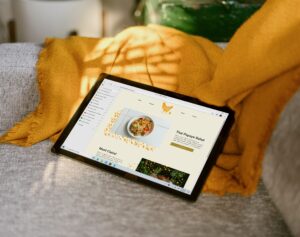
The most successful food discoverers approach apps like anthropologists studying unfamiliar cultures. They observe patterns, decode behavioral signals, and recognize that authentic recommendations often hide beneath unremarkable surface presentations.
Google Maps becomes exponentially more powerful when you understand its hidden languages. Reviews written in local scripts often contain dramatically different information from English-language tourist feedback. A restaurant might have mediocre English reviews but passionate local-language endorsements describing specific dishes that tourists never order.
The platform’s photo analysis reveals additional authenticity markers. Professional restaurant photography suggests marketing investment; blurry smartphone photos of actual food indicate genuine customer enthusiasm. When locals photograph their meals, they’re documenting personal satisfaction, not creating content.
Zomato’s regional variations reflect local dining cultures with startling precision. The app’s algorithms adjust not just for language but for cultural eating patterns, dietary restrictions, and regional preferences that tourists never consider. In India, Zomato recognizes the significance of pure vegetarian kitchens; in Thailand, it understands the importance of spice level accuracy; in Italy, it respects the sanctity of traditional preparation methods.
Genuine local favorites share subtle digital fingerprints that experienced travelers learn to recognize. Multiple five-star reviews mentioning the same specific dish suggest authentic specialty recognition. Consistent complaints about slow service often indicate places prioritizing food quality over customer convenience, precisely what locals value in authentic establishments.
The most revealing indicator? Reviews that assume cultural knowledge without explanation. When locals write “finally found proper X like my aunt makes” without defining what “proper” means, they’re operating within a shared cultural understanding that tourists lack.
Technology can guide us, but real discovery takes courage. Apps give directions, but true experiences begin when you step into the unknown, ordering dishes you can’t pronounce, trusting locals, and letting food become the universal language that connects us.
Discover world cuisines with ReachTV. From street food to timeless traditions, every meal tells a story. Download now and make dining an adventure.
Watch ReachTV Sports Highlights and athlete interviews across U.S. airports. Stay updated on scores, key plays, and behind-the-scenes...
Read more
Learn how biometric check-in at airports makes travel faster, safer, and stress-free while improving passenger experience.
Read more
Business travel tips and hacks to save money, stay productive, and enjoy every trip. Smart strategies for 2026 travelers.
Read more