
Airport TV Explained: How ReachTV Is Changing Travel Forever
Airport TV explained in simple terms. Learn how ReachTV transforms airport entertainment with live content and smart advertising.
Read more
While millions queue at Paris bistros, Europe’s truest flavors simmer in towns you’ve never pinned on a map. For three months, ReachTV food writer Kai Chen traded guidebooks for grandmothers’ kitchens, uncovering 10 hidden food havens where €50/day buys culinary time travel. Forget Michelin stars—here, authenticity is the only currency that matters. Ready to taste Europe’s soul? Let’s go.
Population: 95,000 | Hidden Gem Factor: ★★★★★
Nestled in Wallonia’s rolling hills, Mons guards Belgium’s most sacred brewing secrets. This UNESCO World Heritage city doesn’t just serve beer—it creates liquid poetry through spontaneous fermentation techniques unchanged since medieval times.
The Experience: At Brasserie du Grand-Place, Kai discovered Belgium’s holy grail: authentic kriek lambic (€3.50), where wild yeasts dance with Schaerbeek cherries in wooden barrels aged longer than most friendships. Paired with carbonnade flamande (€8.50)—beef slow-braised in dark beer until fork-tender—this meal transports you straight to Flemish folklore.
Insider Secret: Every Tuesday, the first 50 visitors receive complimentary tasting flights of rare barrel-aged lambics. Arrive by 11 AM to secure your spot among the cognoscenti.
Local Wisdom: “The sour cherry lambic needs time on your palate,” explains brewery master Jean-Claude. “Let it evolve—first tart, then sweet, finally complex. It’s Belgium in a glass.”
Population: 217,000 | Hidden Gem Factor: ★★★★☆
Once the crown jewel of the Hanseatic League, Lübeck’s medieval grandeur extends far beyond its brick Gothic architecture. This Baltic port city transformed marzipan from Persian luxury to German artistry, creating confectionery magic that rivals any Michelin-starred dessert.
The Experience: At Niederegger’s flagship café, Kai indulged in a warm marzipan brownie (€3.20) that melts into almond silk, complemented by complimentary miniature tastings at the marble counter. The real revelation came at the harbor: paper cones of crispy Baltic cod with hand-cut fries (€5.80), seasoned with North Sea salt and local herb blends.
Hidden Treasure: The Niederegger basement museum showcases 500 years of marzipan artistry—entry is included with any café purchase.
Traveler’s Tip: Visit during the December Christmas market when marzipan sculptures reach architectural proportions, and local vendors offer exclusive seasonal flavors.
Population: 145,000 | Hidden Gem Factor: ★★★★★
In Hungary’s cultural heart, 150 years of Ottoman rule left indelible marks on both architecture and appetite. Pécs seamlessly blends Turkish influences with Hungarian traditions, creating a culinary landscape unlike anywhere else in Europe.
The Experience: At Zsolnay Market, Kai discovered pogácsa (€2.10)—golden cheese biscuits that crumble into buttery perfection, traditionally paired with fresh túró (cottage cheese) and robust Hungarian espresso (€1.20). These aren’t mere snacks; they’re edible artifacts of cultural fusion.
Game-Changing Hack: After 1 PM, vendors reduce prices by 20-25% to clear daily inventory. Premium items become budget-friendly, and vendors often throw in extra samples.
Cultural Context: Pogácsa variations reflect regional identities—Pécs versions incorporate paprika and local sheep cheese, creating flavor profiles that tell the story of Hungarian resilience.
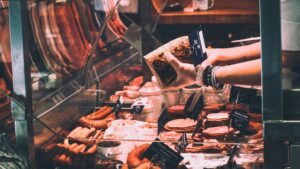
Population: 97,000 | Hidden Gem Factor: ★★★★☆
Estonia’s intellectual capital surprises with its bold culinary experimentalism. In converted Soviet-era factories, young chefs reimagine Nordic traditions using ingredients their grandparents treasured during harder times.
The Experience: Aparaaditehas food hall showcases Estonia’s culinary renaissance. Kai’s revelation came via kama porridge (€1.50)—a prehistoric superfood blend of roasted barley, rye, oat, and pea flour that tastes like concentrated Nordic forest. Paired with dark rye sandwiches (€2.30) loaded with house-smoked Baltic herring, this meal connects ancient survival wisdom with contemporary innovation.
Why It Matters: Kama sustained Estonians through centuries of occupation. Today’s chefs elevate it into gourmet experiences, proving that the humblest ingredients often hide the greatest stories.
Student Secret: University ID holders receive 15% discounts at most food hall vendors—just ask politely.
Population: 253,000 | Hidden Gem Factor: ★★★★☆
Cradled by the Carpathian Mountains, Brașov serves Transylvanian comfort food that sustained generations through harsh winters and historical upheavals. This isn’t vampire tourism—it’s authentic Romanian soul food at its finest.
The Experience: At Bistro de l’Arte, Kai encountered sarmale (€4.50)—pork and rice parcels wrapped in fermented cabbage leaves, slow-cooked until the flavors meld into pure comfort. Accompanied by creamy polenta and sour cream, this dish embodies Romanian hospitality.
Scenic Bonus: Request terrace seating for panoramic views of Tampa Mountain—no surcharge, just Romanian generosity.
Historical Note: Sarmale recipes vary by family, with secret ingredients passed down through generations. Each bite connects you to centuries of Romanian tradition.
Population: 315,000 | Hidden Gem Factor: ★★★☆☆
While tourists crowd Rome and Florence, Bari pulses with authentic Italian life. This Adriatic port city specializes in Pugliese cuisine—simple ingredients transformed through generations of coastal wisdom.
The Experience: In Bari Vecchia’s labyrinthine streets, Kai discovered focaccia barese—olive oil-soaked flatbread topped with cherry tomatoes and olives that tastes like concentrated Mediterranean sunshine. Street vendors sell raw octopus salad (€5.20) dressed only with local olive oil, lemon, and sea salt—a testament to ingredient quality over complexity.
Authenticity Factor: Local nonnas still make orecchiette pasta by hand on their doorsteps, selling directly to neighbors—pure culinary theater.
Smart Move: Visit morning fish markets for the freshest selections, then have nearby restaurants prepare your purchases for a small fee.
Population: 346,000 | Hidden Gem Factor: ★★★★★
As one of Europe’s oldest continuously inhabited cities, Plovdiv carries 8,000 years of culinary evolution in every meal. This cultural capital proves that Bulgarian cuisine extends far beyond yogurt stereotypes.
The Experience: At Mehana Puldin, Kai savored banitsa (€3.10)—flaky pastry spirals filled with tangy sirene cheese, baked until golden, and served with thick Bulgarian yogurt. The wood-fired ovens impart smoky depths impossible to replicate in modern kitchens.
Cultural Immersion: Friday evenings feature complimentary folk performances—authentic Bulgarian dancers in traditional costumes, no tourist traps, just genuine cultural sharing.
Timing Strategy: Arrive during performance evenings for full cultural immersion without cover charges.
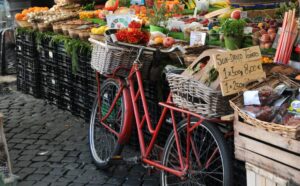
Population: 217,000 | Hidden Gem Factor: ★★★☆☆
Brittany’s capital guards France’s most distinctive regional cuisine. While Paris exports standardized French fare worldwide, Rennes preserves Celtic-influenced traditions that predate French unification.
The Experience: Le Petit Leclerc perfects kouign-amann (€2.40)—Breton butter cake that achieves impossible alchemy, simultaneously crispy and tender, sweet and salty. Their loyalty program rewards commitment: purchase five pastries, receive the sixth free.
Regional Pride: Breton cuisine reflects fierce cultural independence—buckwheat galettes, salted butter, and cider traditions that survived centuries of Parisian influence.
Practical Tip: Loyalty cards never expire, making them perfect for repeat visitors or food-loving locals.
Population: 298,000 | Hidden Gem Factor: ★★★☆☆
Spain’s former capital remains the heart of Castilian cuisine and wine culture. While coastal Spain attracts beach seekers, Valladolid rewards serious food enthusiasts with authentic inland traditions.
The Experience: Bar El Globo’s “tapas y vino” hour (€4.80) pairs two artisanal tapas with robust Toro red wine. Kai’s strategy: request “tapa sorpresa” for off-menu creations showcasing seasonal ingredients and chef creativity.
Wine Education: Toro wines offer intensity without pretension—a perfect introduction to serious Spanish reds outside touristy regions.
Local Integration: Happy hour timing (6-8 PM) attracts locals, creating authentic cultural exchange opportunities.
Population: 107,000 | Hidden Gem Factor: ★★★★☆
Where Italian passion meets Germanic precision, Bolzano creates unique Alpine cuisine that belongs fully to neither tradition while embodying both completely.
The Experience: Pfitscher restaurant’s “menu del contadino” (€5.50) showcases canederli, bread dumplings floating in speck-enriched broth, accompanied by local apple nectar and panoramic Dolomites views. This isn’t fusion cuisine—it’s cultural synthesis perfected through centuries.
Cultural Understanding: South Tyrolean cuisine reflects a complex history—Austrian influences within Italian borders, creating flavors found nowhere else on Earth.
Value Proposition: Mountain panoramas typically cost extra elsewhere—here, they’re complimentary with every meal.
These ten destinations prove that Europe’s greatest flavors hide in plain sight, waiting for travelers brave enough to venture beyond guidebook recommendations. Each city offers not just meals, but cultural immersion—opportunities to taste history, meet locals, and discover traditions that tourism hasn’t commodified.
Smart Traveler Strategy: Visit during shoulder seasons (April-May, September-October) for optimal weather, reduced crowds, and authentic local interaction.
Budget Reality: Daily food costs average €15-25 per person, making these destinations accessible for any budget-conscious traveler seeking maximum culinary impact.
Cultural Bonus: Smaller cities encourage genuine local interaction—restaurant owners share stories, vendors offer cooking tips, and fellow diners welcome curious travelers.
Follow @ReachTV across all platforms for daily culinary discoveries, exclusive airport dining guides, and insider travel tips from our network of expert contributors. Share your small-town food finds using #ReachTVEats to be featured on our airport screens nationwide.
Airport TV explained in simple terms. Learn how ReachTV transforms airport entertainment with live content and smart advertising.
Read more
Airport hacks 2026 to skip lines, save time, and travel smarter. Learn expert tips for smooth airport travel.
Read more
Discover trending travel destinations 2026 with best spring break destinations 2026 and top summer travel trends worldwide
Read more