
Top Airport Travel Gadgets Worth Buying in 2026
Discover airport travel gadgets that make flying easier. Top travel essentials for comfort, safety, and long flights in 2026.
Read more
Ever dreamed of exploring a place where the only sounds are wind, water, and wildlife?
Some destinations in the U.S. feel calm, not because they are hidden, but because fewer people make the journey.
Ferry schedules, long drives, and real distance naturally filter out the crowds. What remains is peace you can actually feel: quiet trails, wide horizons, and evenings where darkness arrives on its own terms.
These quiet U.S. travel destinations reward patience and planning. You notice small details — the creak of a dock, the rustle of leaves, or a coffee sipped without hurry.
Which hidden corners of the U.S. will let you escape the crowds?
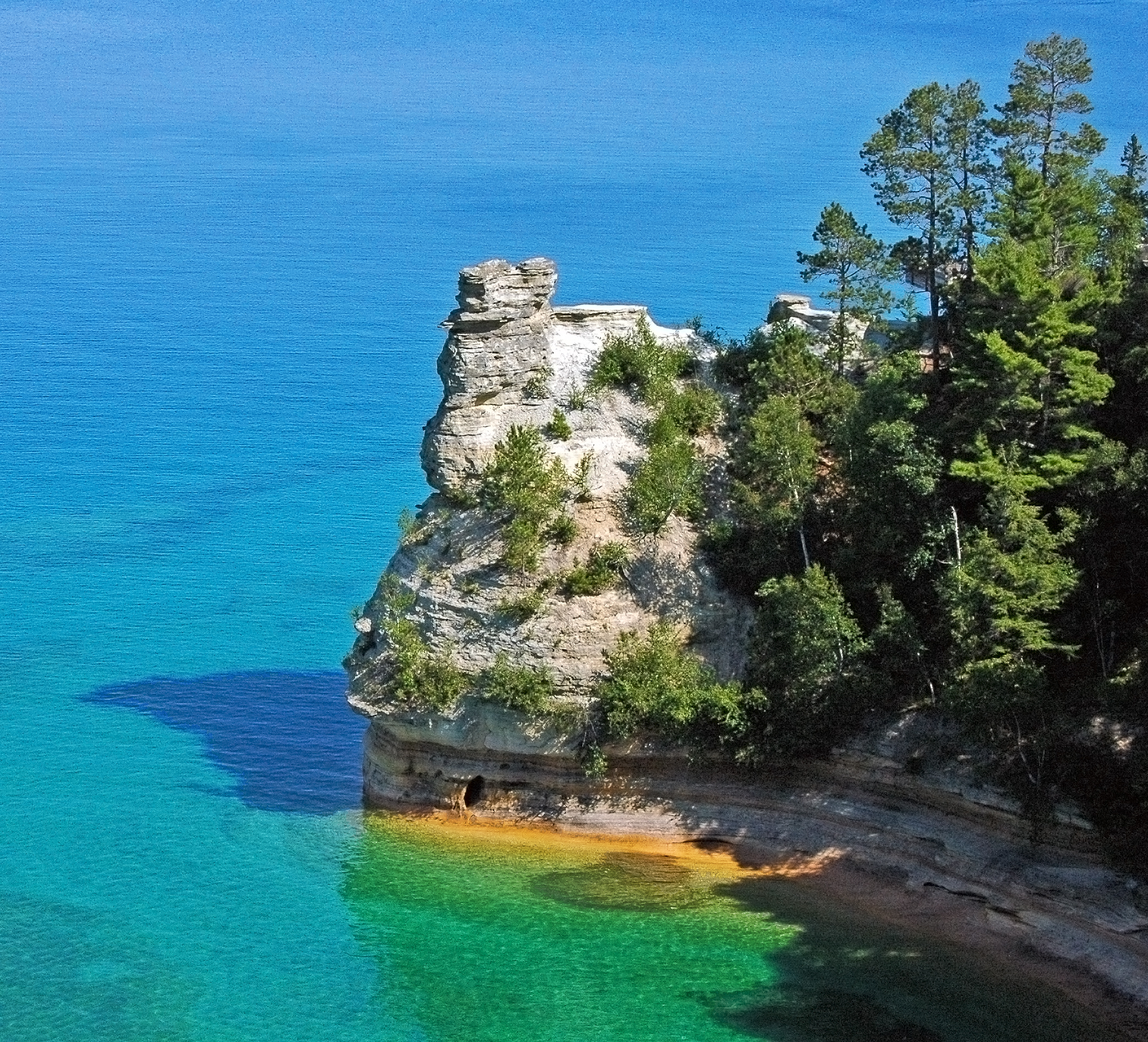
Pictured Rocks is well known, but the quiet is found away from the busiest spots. Cliffs and beaches open into serene coves where the only sounds are waves and wind. Walking a little further than the main overlook rewards visitors with peace and wide horizons.
Why it stays calm:
Exploring these quieter areas makes familiar names feel new again. The cliffs, water, and surrounding forest feel like they belong only to you and the natural world.
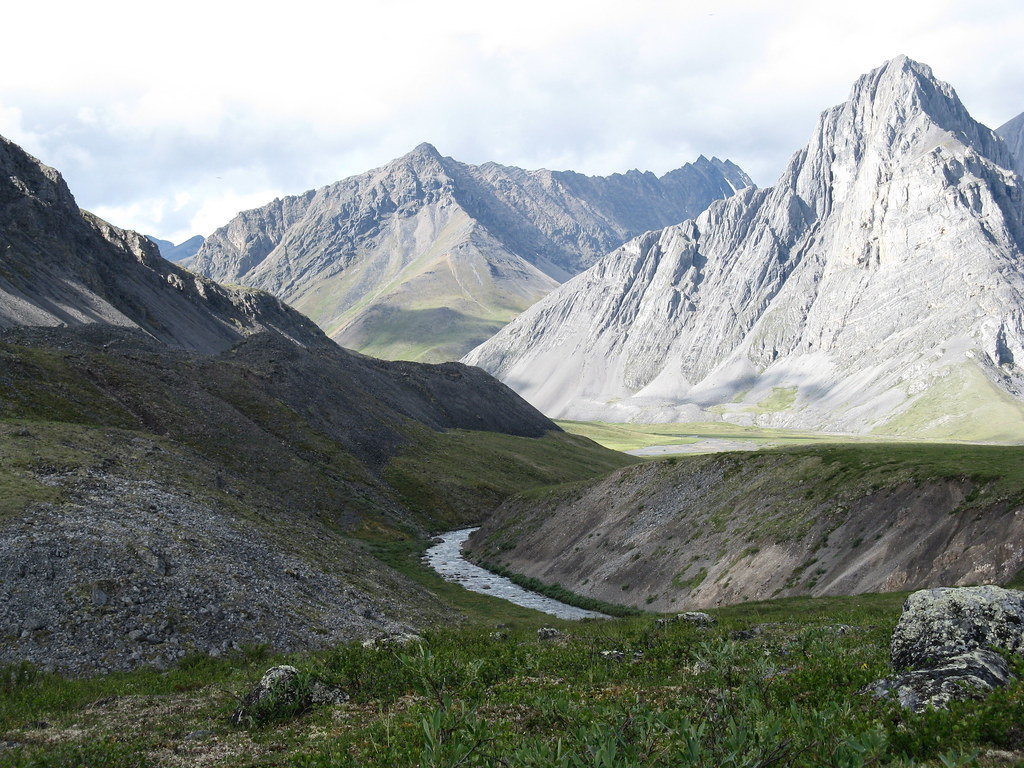
Gates of the Arctic is one of the most remote national parks in the U.S. There are no roads or marked trails, which keeps visitor numbers very low. The calm here feels almost physical, with tundra, braided rivers, and caribou tracks dominating the landscape.
Why it stays calm:
In late August, the warm light and first fall colours make the park even more peaceful. Every sound from a stove clicking to a raven calling carries and then fades, letting visitors fully absorb the quiet.
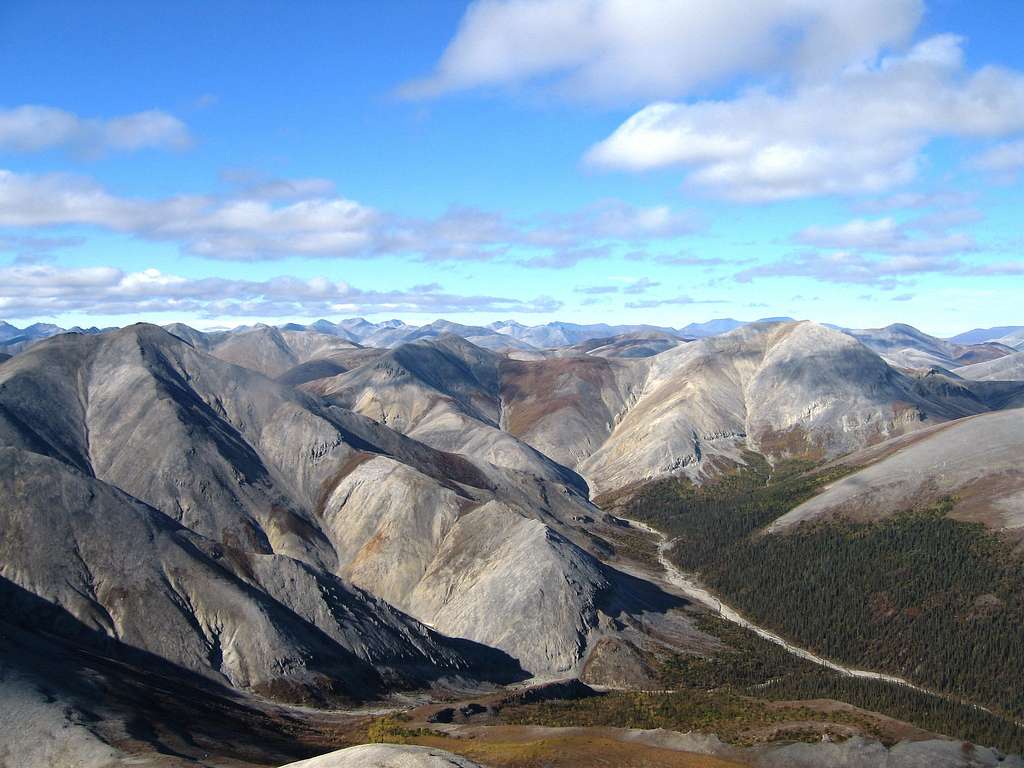
Kobuk Valley is home to the Great Kobuk Sand Dunes, rising from spruce forests like a quiet mirage. The effort it takes to reach them naturally keeps visitor numbers low, which makes the experience even more peaceful.
Why it stays calm:
By September, the tundra turns rust and gold, and footsteps make a faint squeak on the dunes. A short climb to a dune crest offers wide, silent horizons where the only sounds are wind and distant wildlife.
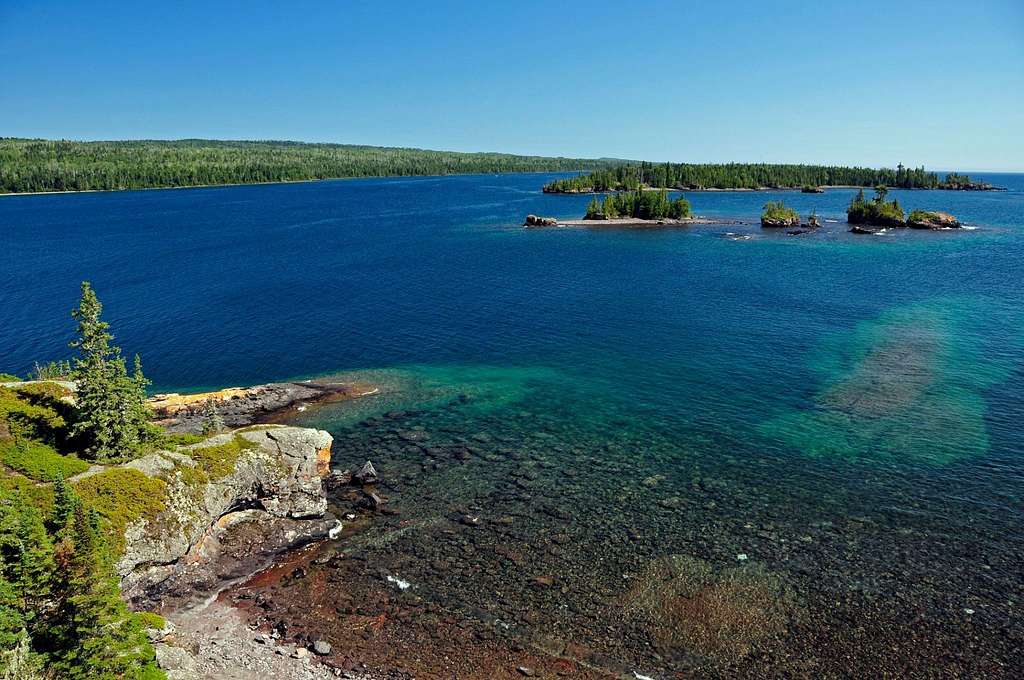
Isle Royale sits in Lake Superior and is only reachable by boat or seaplane. The extra steps to get there naturally reduce crowds. Once on the island, ridgelines and coves spread hikers thin, creating a calm and private experience.
Why it stays calm:
This quiet setting allows visitors to slow down completely. You can focus on nature and enjoy long walks without interruptions or crowds.
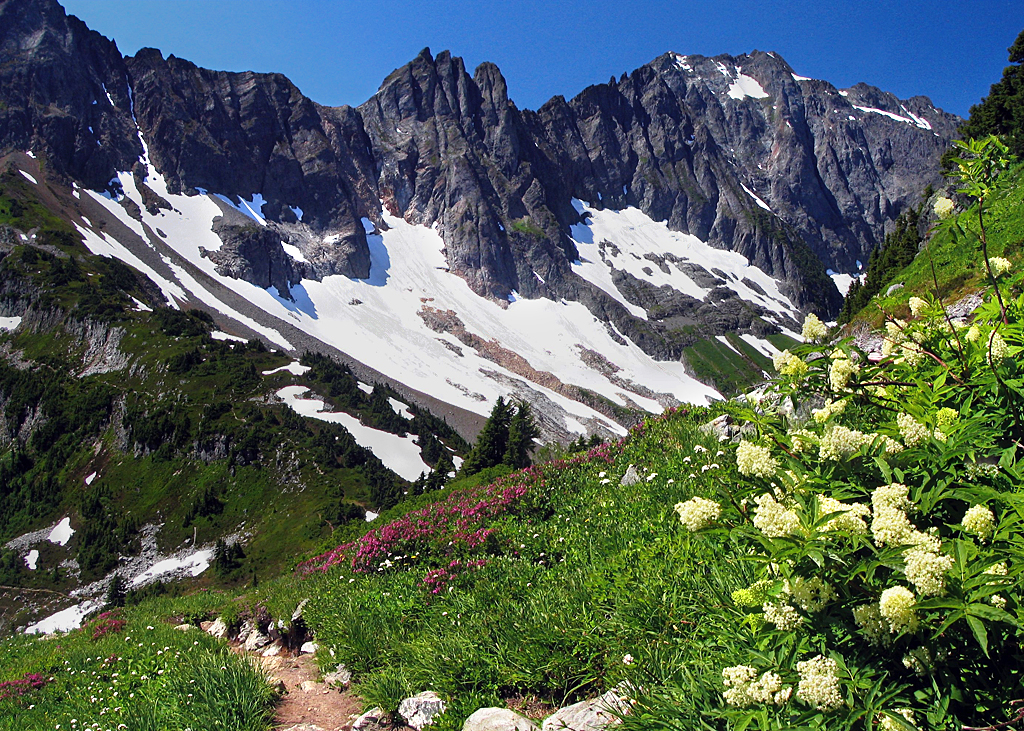
North Cascades is full of glaciers, sharp peaks, and bright reservoirs. Despite its beauty, it stays calm because many visitors only stop at the main viewpoints along Highway 20. Step onto a trail and the experience quickly feels personal and quiet.
Why it stays calm:
By September, mornings turn crisp, and the crowds drop. Even near popular spots like Diablo Lake, detours can lead to empty switchbacks where the only sound is boots on gravel and flowing water.
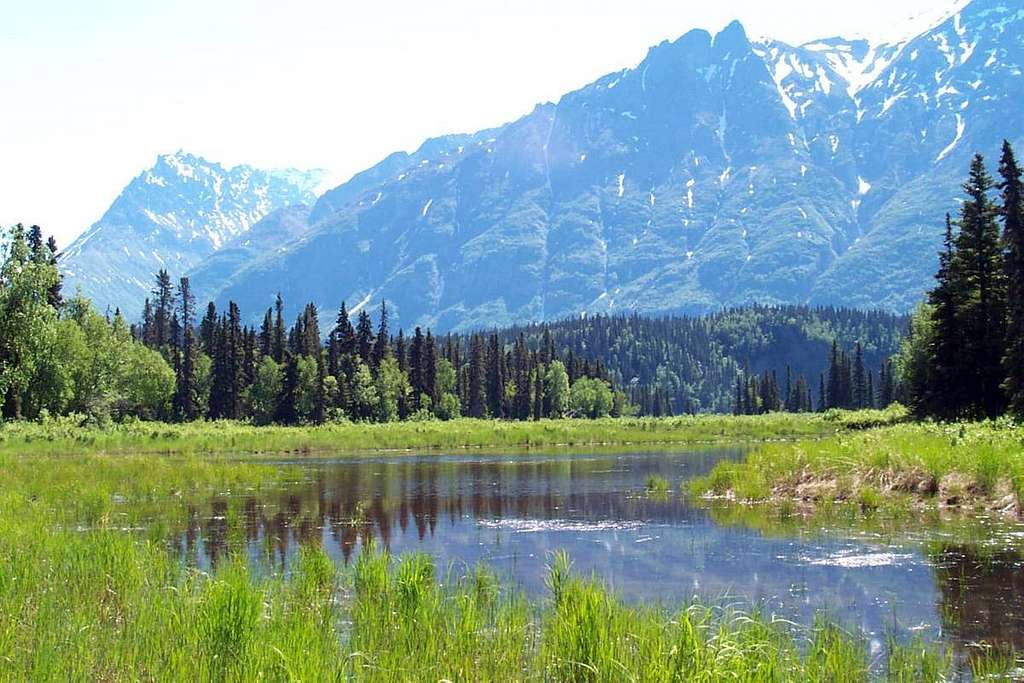
Lake Clark blends volcano views, salmon-rich rivers, and wide shorelines. The park feels calm because most visitors arrive by small aircraft and then spread out quickly once they land.
Why it stays calm:
Long northern evenings invite lingering, and the quiet changes with clouds lifting or mountains appearing suddenly. Here, nature sets the rhythm, and visitors can enjoy a peaceful pace.
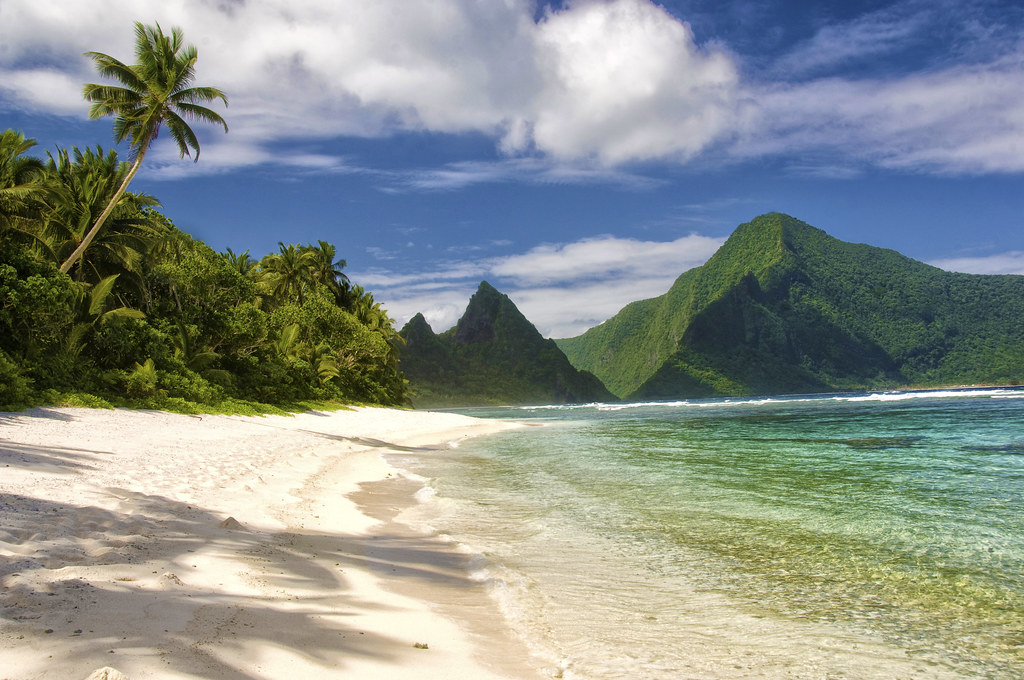
The National Park of American Samoa stays calm because reaching it takes planning rather than a quick weekend trip. Rainforest trails climb above villages, and reefs glow in clear lagoons nearby.
Why it stays calm:
This quiet environment allows visitors to enjoy the gentle sounds of the wind and seabirds. The pace here feels natural, and every step encourages attention to the surroundings.
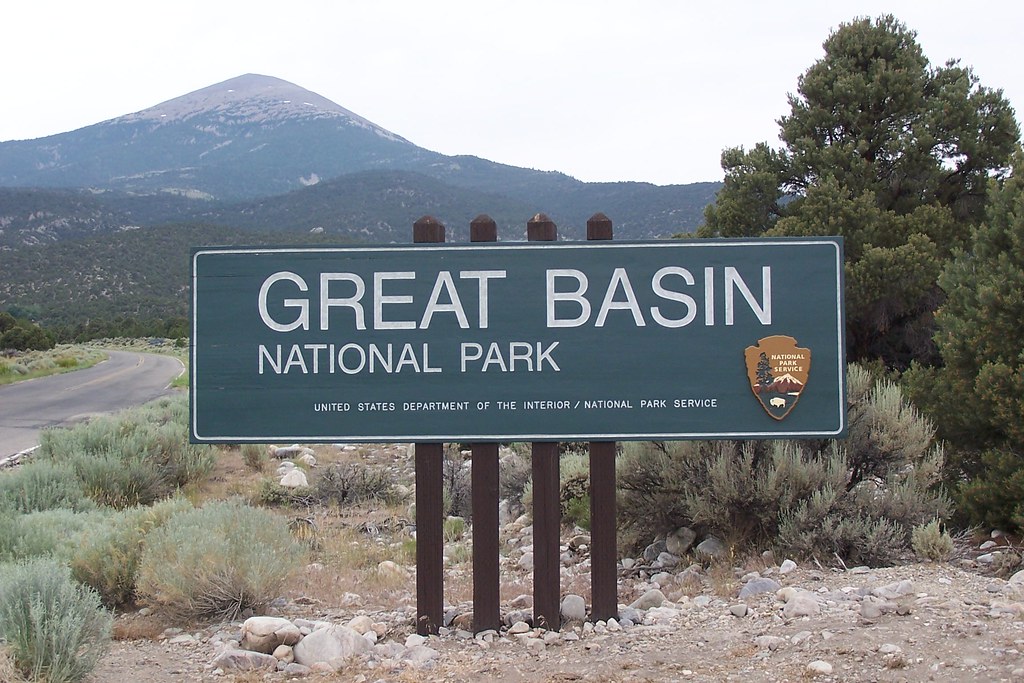
Great Basin rarely makes first-time road trip lists, which keeps it quiet even in summer. The high desert looks sparse from afar, but up close it layers ancient bristlecone pines, alpine lakes, and Lehman Caves into a peaceful landscape.
Why it stays calm:
Visitors can enjoy long stretches of silence, with only wind and small night sounds for company. The park’s isolation gives a rare sense of space and calm.
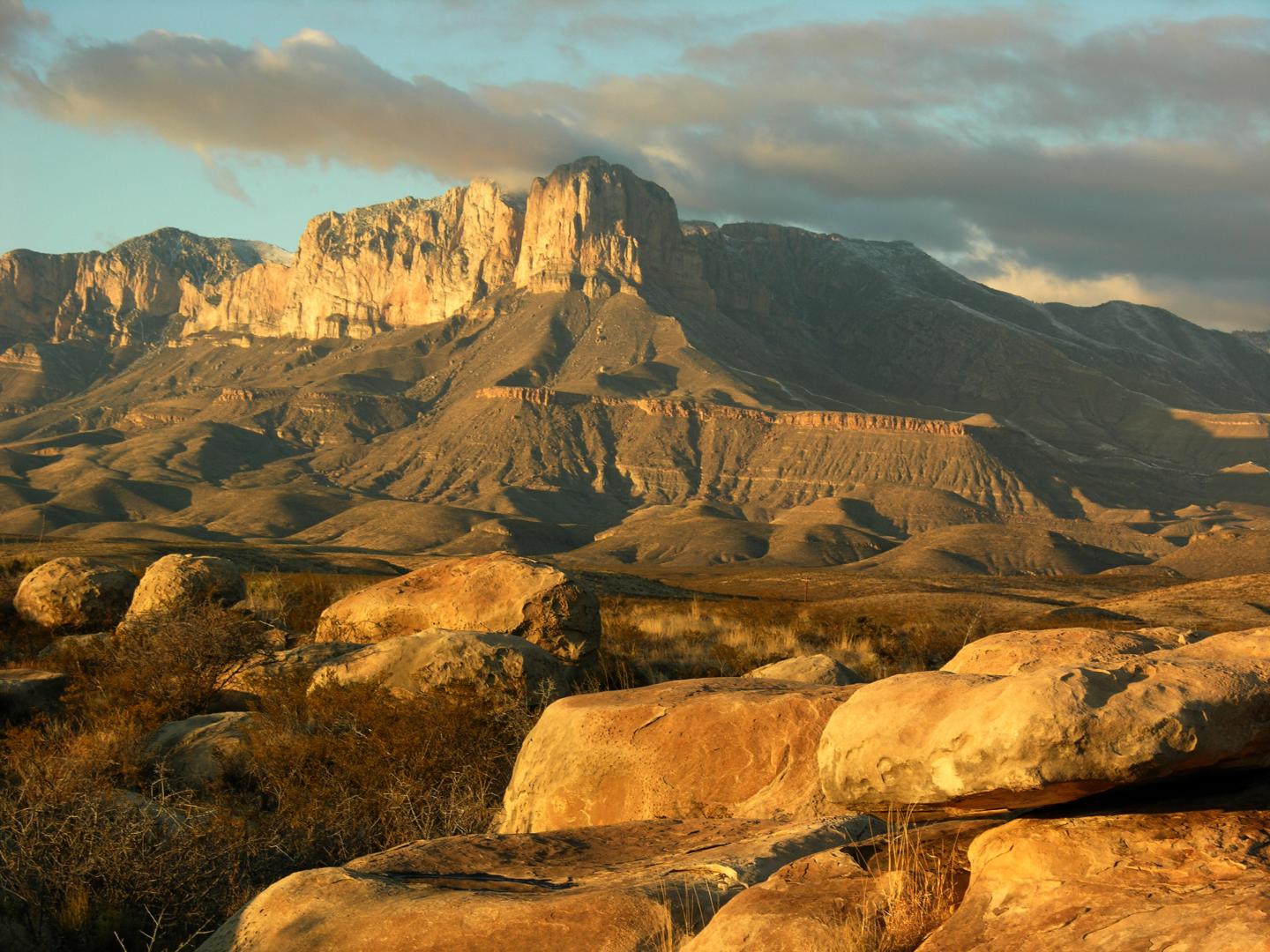
The Guadalupe Mountains stay calm because visiting requires effort. Long drives, hot sun, and steep trails naturally reduce the number of visitors, creating a quiet experience.
Why it stays calm:
Hikers can enjoy limestone ridges, desert plants, and wide views with minimal distractions. Even popular spots remain serene because the park encourages intentional travel.
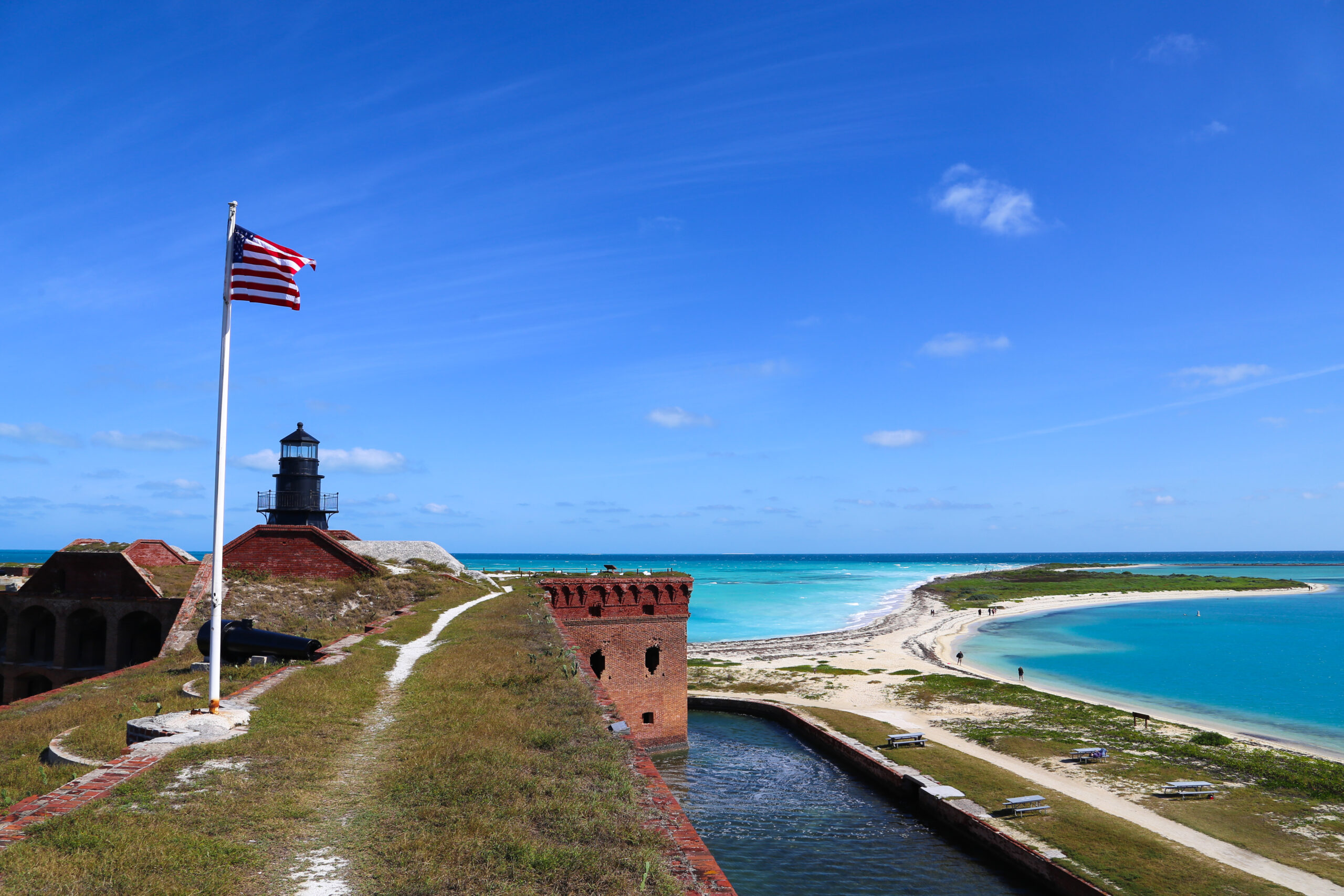
Dry Tortugas feels calm because ferry schedules and open-water crossings naturally limit visitors. Fort Jefferson rises from the sea, surrounded by clear water and bright coral, creating a peaceful escape.
Why it stays calm:
Most visitors stay only a few hours, which leaves time to enjoy empty spaces, gentle waves, and wide horizons. This park rewards patience and simple planning for those who visit.
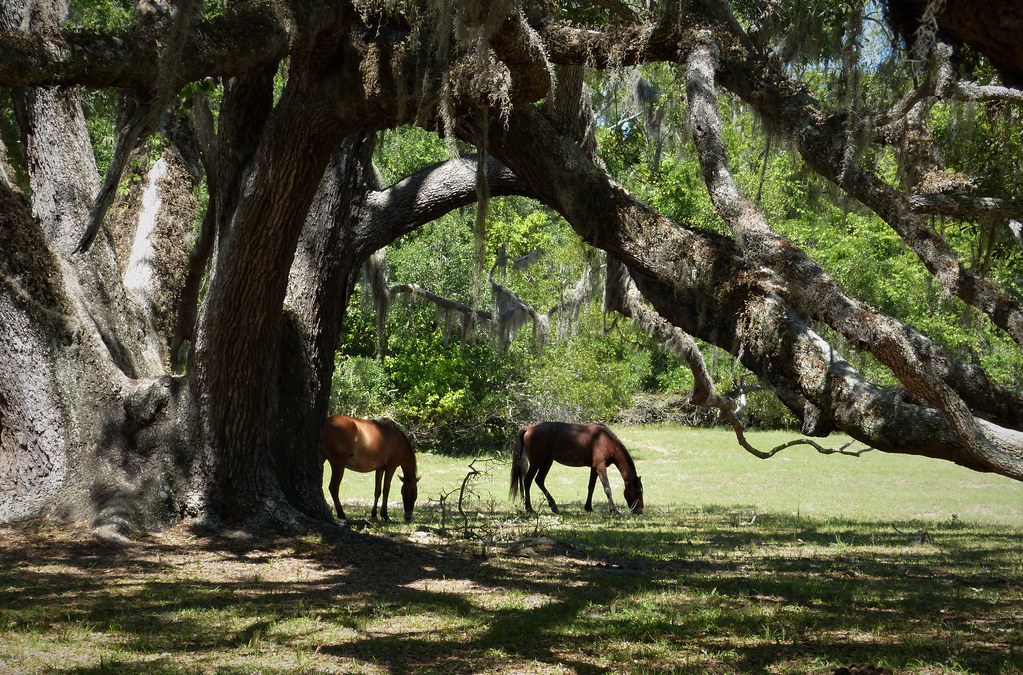
Cumberland Island stays quiet because it is harder to reach and visitor numbers are limited. A ferry from St. Marys caps daily access, keeping the beaches and trails peaceful.
Why it stays calm:
Visitors can enjoy gentle ocean sounds and empty trails. The island’s calm allows you to slow down, take in the surroundings, and appreciate nature without distraction.
These quiet U.S. travel destinations show that calm is earned, not accidental. From remote tundras to hidden dunes, the places on this list reward patience, planning, and a sense of adventure. Every trail, beach, and peak teaches us to notice small details, slow down, and enjoy nature without distractions.
Which destination will you explore before everyone else discovers it?
Whether you’re a seasoned traveller or a weekend wanderer, Reach TV is your guide to smart, practical, and inspiring travel ideas.
Pack your bags, find your peace, and maybe practice your best “I’m totally alone here” dance.
Discover airport travel gadgets that make flying easier. Top travel essentials for comfort, safety, and long flights in 2026.
Read more
Discover Calvin Johnson story, his NFL career, injuries, Hall of Fame legacy, and life after his football retirement journey.
Read more
Watch ReachTV Sports Highlights and athlete interviews across U.S. airports. Stay updated on scores, key plays, and behind-the-scenes...
Read more