
Airport Hacks 2026: 9 Smart Ways to Beat Travel Chaos Fast
Airport hacks 2026 to skip lines, save time, and travel smarter. Learn expert tips for smooth airport travel.
Read more
At the airport, many people sit at the gate, looking up at the screens. They watch sports, news, travel clips, and fun shows while they wait. This is where airport TV explained becomes important. These screens do more than fill space. They now work as part of a bigger media system that helps inform and entertain travelers.
One company leading this change is ReachTV. It brings sports, lifestyle shows, and other travel entertainment to airport screens across many locations. As a result, passengers stay engaged, and airports create a better experience.
In this blog, you will learn how airport TV works, why it matters, and how ReachTV is changing airport entertainment for modern travelers. By the end, you will see airport TV explained in a clear and simple way that is easy to understand.
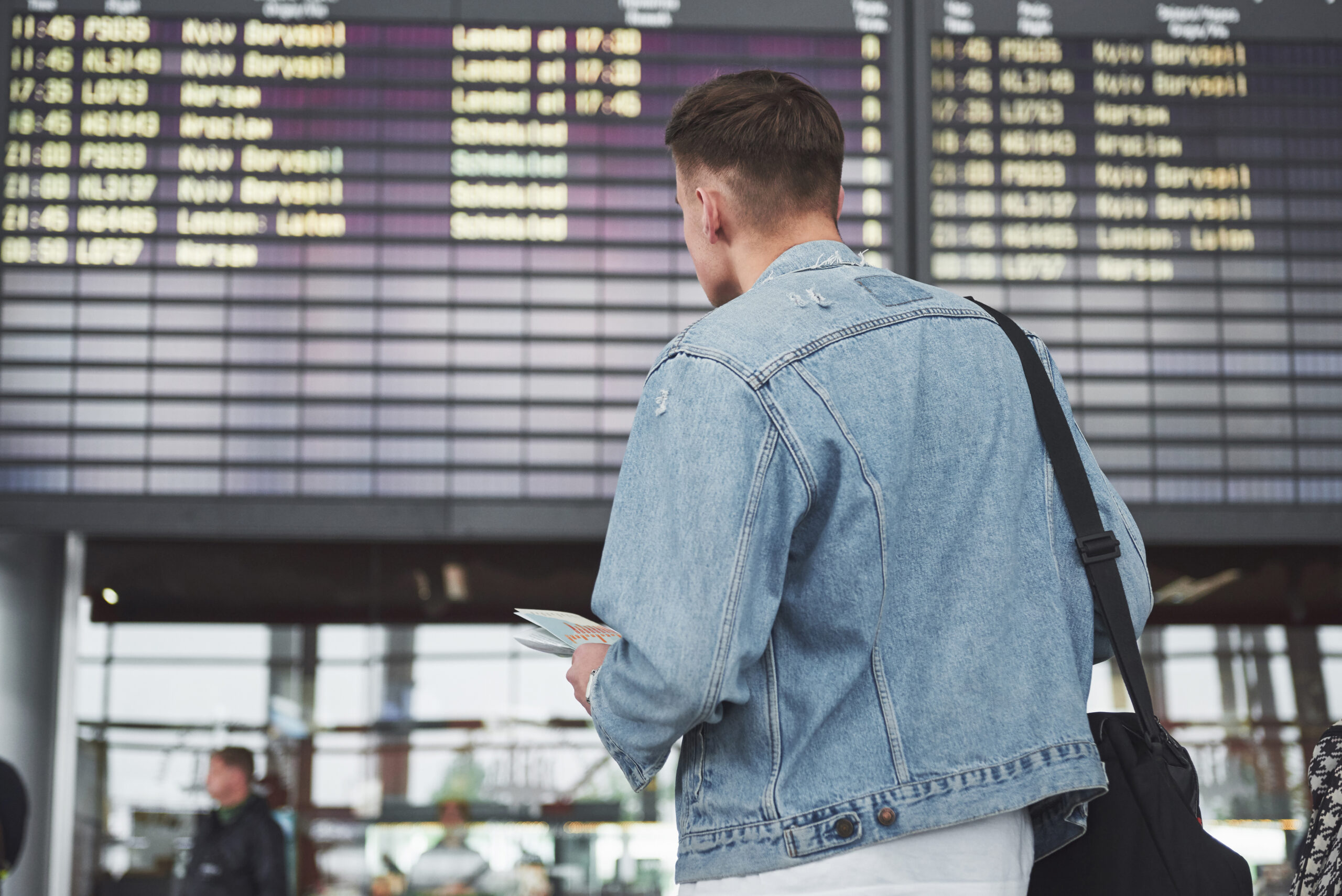
Airport TV explained is a system that shows videos and programs on airport screens for people who travel. You can see it at gates, lounges, food courts, and waiting areas. Unlike cable TV at home, it does not focus on one family or one room. Instead, it speaks to many people at once in a busy public place.
This type of airport media network mixes different kinds of content to keep travelers interested. For example, it can show sports highlights, breaking news, weather updates, travel tips, lifestyle clips, and ads from brands. Because of this mix, people often see live TV in airports while they wait for boarding, delays, or baggage.
Airports use this system for a clear reason. First, it helps pass time and makes waiting feel easier. Next, it gives useful updates and entertaining content in one place. At the same time, brands use these screens to reach travelers when they are paying attention. So, airport TV helps both passengers and businesses. In simple words, it turns empty waiting time into a better and more useful travel experience.

Airport TV explained becomes much easier when you look at the system step by step. Many people see screens in airports every day, but most do not know what happens in the background. In fact, a lot of planning happens before any video appears on those screens. Teams choose the content, send it to the right places, match it to the screen location, and add ads that fit the audience. As a result, travelers see a smooth mix of useful and fun content. This process helps create better airport entertainment and a more modern travel experience.
First, teams create or collect the videos that travelers will watch. This content can include sports clips, travel shows, lifestyle videos, short news updates, and brand stories. Sometimes a company makes its own content in a studio. In other cases, it gets permission to use videos from sports leagues, media brands, or content partners. This is called licensing.
Because airports serve many kinds of people, the content must stay simple, quick, and easy to follow. For example, one traveler may want sports highlights, while another may enjoy travel tips or fun interviews. So, content teams often choose videos that many people can enjoy at once. They also keep the tone light, fast, and clear. That way, people can look up for a few minutes and still understand what they are watching.
Next, the system sends the chosen content to the airport locations that need it. This step is called distribution. After teams prepare the videos, they upload them into a central system. Then that system pushes the content to screens across the airport media network.
This process works a lot like sending one message to many devices at the same time. However, it is more organized because each airport may need different content at different times. For instance, one airport may show more sports during a big game, while another may show more travel or news content in the morning. Because of this, the system must stay flexible and fast.
In many ways, this setup connects with digital out of home media, which means digital content shown in public places instead of homes. Airport TV fits this model well because it reaches people while they move through real-world spaces. As a result, airports can show fresh and timely content all day long.
After that, the content appears on screens throughout the airport. You can often find these screens at gates, lounges, food courts, walkways, and waiting areas. Each screen sits in a place where travelers already spend time. Because of that, the content can catch attention without asking people to search for it.
Screen placement matters a lot. For example, travelers waiting at a gate may watch longer than people walking through a hallway. In the same way, people sitting in a lounge may want calmer content, while food court screens may show faster and more exciting clips. So, airports and media teams think carefully about where to place each screen and what type of content works best there.
This smart placement improves the viewing experience. It also helps turn normal wait time into useful and enjoyable airport entertainment.
Finally, the system adds ads into the content stream. This part is very important because airport advertising helps support the whole model. Brands want to reach travelers, and airports want new ways to earn money. Therefore, ads play a key role.
These ads do not always appear the same way everywhere. Instead, teams can adjust them by time, location, and audience type. For example, one ad may run in the morning near business travelers, while another may appear later near family boarding areas. This makes the messages more relevant and more effective.
At the same time, ads blend into the content flow instead of feeling random. When done well, they match the style and pace of the screen experience. So, the system serves both travelers and brands in a more useful way. Now that you have seen each step clearly, you can understand airport TV explained as a smart system built for modern travel.
To understand airport TV explained, it helps to look at ReachTV, a network built for travelers and airport audiences. ReachTV is a travel media platform that creates and shares content for people while they wait in airports. Instead of focusing on home viewers, it focuses on travelers during dwell time, which means the moments when people sit at the gate, relax in lounges, or wait in food courts.
ReachTV puts a strong focus on sports, entertainment, travel, and lifestyle content. Because of this, travelers can enjoy live TV in airports along with short, engaging videos that fit the airport setting. This content helps make waiting feel easier and more enjoyable.
ReachTV is different from a normal TV channel in a few simple ways. First, it is made for public spaces, not living rooms. Next, it aims to grab attention quickly with content that is easy to watch on the go. It also supports airport entertainment by giving airports a modern way to inform and engage passengers. As a result, ReachTV plays a big role in changing how people experience travel.
When people talk about airport TV explained, they often think about screens at the gate. However, ReachTV does much more than place videos on walls. The company says it curates premium, brand-safe business, entertainment, sports, and lifestyle content for travelers, and it builds that experience around real airport dwell time. It also presents itself as a network that turns “travel time into screen time,” which shows its main goal very clearly.
ReachTV changes the airport experience by giving travelers something timely and watchable during the slow parts of a trip. On its site, the company says it works with airports to improve the traveler experience through premium, real-time content. That means passengers do not just stare at a blank wall or scroll on their phones the whole time. Instead, they see a stream of short and engaging content built for people who are moving, waiting, and checking screens in public spaces.
More importantly, ReachTV does not vaguely describe its content. It highlights a mix of:
Because of that mix, ReachTV practically improves layover entertainment. For example:
The company also shares a LaGuardia Airport case study that supports this idea.
According to ReachTV, LaGuardia saw:
ReachTV puts sports at the center of its airport strategy. On its advertiser site, it says it offers “more live sports than any other network.” It also promotes a live sports calendar and places sports next to business, entertainment, and lifestyle content as a core part of its lineup. So, ReachTV is not treating sports like filler. It is using sports as the main driver of attention on airport screens.
This matters because live sports pull people in right away. A traveler may ignore a random video, but many people will stop and look when they see a live game, a score update, or a big sports moment. That is why airport TV explained makes more sense when you look at ReachTV’s sports-first model. It gives travelers a reason to look up during a layover, and it creates real-time attention that recorded content often cannot match.
ReachTV also builds custom shows around airport life. One example from its website is This Is How I Airport, a 30-minute original program starring Khaby Lame and filmed at Hartsfield-Jackson Atlanta International Airport. The company says the show launched in December 2024 with HolaFly and combines silent comedy with practical airport navigation tips. In addition, ReachTV says it supports the program with 60- and 90-second clips on social media and broadcasts across 2,400 airport gates and 750 venues.
ReachTV also helps airports look and feel more connected. Its pitch to airports is not only about content. It also says airports get:
As a result, airports can offer a stronger digital experience without managing every technical detail themselves. That is a big reason ReachTV feels different from a normal TV channel. It acts more like a managed airport media network than a simple broadcaster. It supports public viewing spaces, manages remote screens, and fits into the wider world of travel entertainment and in-terminal media.
ReachTV also changes the airport experience by making airport advertising more targeted and more measurable. On its site, the company says brands can use:
In addition, ReachTV extends campaigns beyond the terminal. It says ReachTV Connect can retarget ads to more than 515 million connected devices across mobile, CTV, and home, and it also lists opportunities in 500,000 hotel rooms, plus in-flight entertainment and Wi-Fi sponsorships. That gives brands a much larger journey-based system instead of a single screen buy.
So, ReachTV not only improves travel entertainment for passengers. It also gives airports and advertisers a stronger media product built around real traveler attention. That is why ReachTV is changing the airport experience clearly and measurably.

Airport TV gives clear value to travelers, airports, and advertisers. When people search for airport TV explained, they usually want to know one thing first. Why does it matter? The answer is simple. It makes travel feel easier, smarter, and more useful for everyone involved.
For travelers, airport TV improves the waiting experience in real ways. It reduces boredom during delays and long layovers. It also keeps people informed with news, sports, travel updates, and short videos. Because of that, layover entertainment feels more helpful and less random. Instead of staring at the clock, travelers can enjoy better airport entertainment while they wait.
For airports, the benefits are just as important. First, airport TV helps increase passenger engagement. Next, it builds a stronger digital environment that feels more modern and connected. It also opens new revenue streams through airport advertising, which supports airport growth and media partnerships.
For advertisers, airport TV offers access to a high-value audience. Travelers often spend more time near screens, so brands get better visibility in high-dwell spaces. As a result, a travel media platform like this creates value from every side.
Airport TV and traditional TV may look similar at first. However, they work in very different ways. Traditional TV serves people at home. In contrast, airport TV serves travelers on the move. It focuses on quick, clear, and engaging content that fits public spaces. Because of that, it feels more dynamic and more location-based.
Also, live TV in airports often includes short updates, sports, travel content, and ads built for people in transit. At the same time, an airport media network reaches large groups in gates, lounges, and waiting areas, while traditional TV usually targets viewers in private homes.
| Feature | Airport TV | Traditional TV |
| Audience | Travelers | Home viewers |
| Location | Airports | Homes |
| Content style | Short, engaging, live updates | Long-form programming |
| Advertising | Traveler-focused | Broad market |
| Purpose | Inform and entertain on the go | Entertainment at home |
The future looks bigger and smarter, and airport TV explained now means much more than simple screens at the gate. ReachTV already presents itself as a travel-first network that blends broadcast, connected TV, digital, and out-of-home media into one system, so the next step is deeper integration across more screens and devices.
We can also see the direction from ReachTV’s current model. The company already highlights live sports, original shows, mobile and connected-device reach, and cross-screen ad measurement with Nielsen. That suggests stronger content scheduling, better ad targeting, and tighter links between airport viewing and digital follow-up campaigns.
For travelers, the experience becomes more engaging, with content that feels timely and useful. For brands, it opens the door to smarter, more personalized campaigns across a broader travel media platform. And for the industry, it signals continued growth for digital out-of-home media, driven by networks like ReachTV.
Airport TV is a content system shown on airport screens in places like gates, lounges, and food courts. It usually mixes sports, news, lifestyle, travel clips, and ads for travelers.
Yes. Regular TV mainly serves viewers at home, while live TV in airports is built for people on the move and for public spaces with short attention windows.
ReachTV curates sports, business, entertainment, and lifestyle content, then distributes it across airport venues and gates as part of its airport network.
Brands use airport screens because travelers spend time near them, which helps airport advertising reach a focused and valuable audience in high-dwell spaces.
Airport TV is not just background noise. ReachTV shows how screens can improve airport entertainment, hold attention, and create value for travelers, airports, and brands. In simple words, airport TV has become a real part of the travel experience.
Airport hacks 2026 to skip lines, save time, and travel smarter. Learn expert tips for smooth airport travel.
Read more
Discover trending travel destinations 2026 with best spring break destinations 2026 and top summer travel trends worldwide
Read more
Learn how to beat TSA lines with simple airport security tips, smart packing, TSA wait time checks, and easy steps for faster airport...
Read more