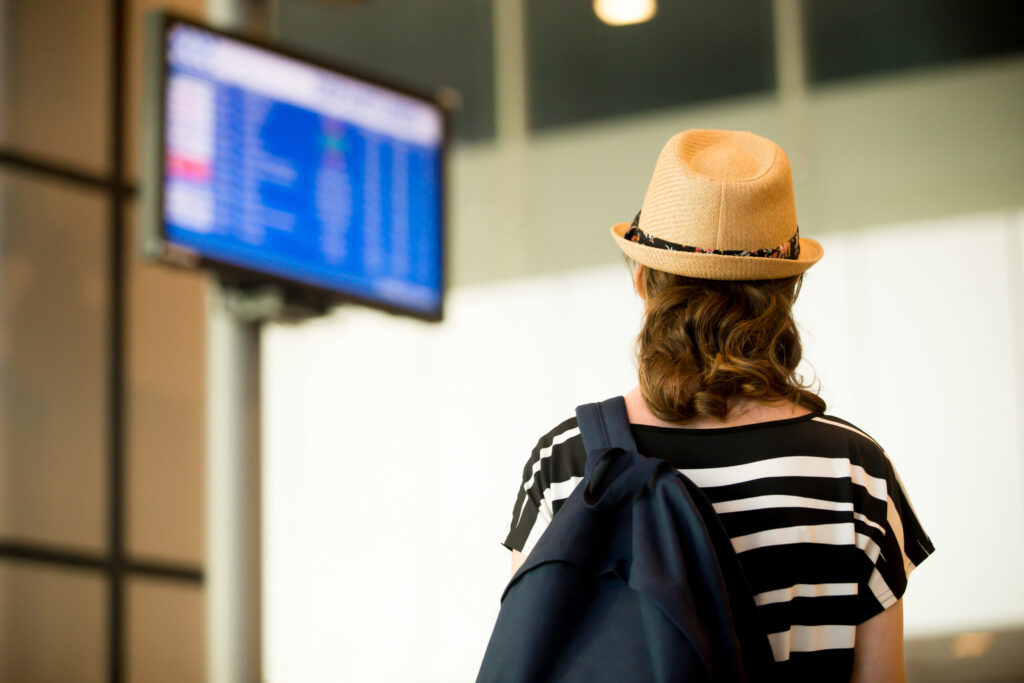
Airport TV Explained: How ReachTV Is Changing Travel Forever
Airport TV explained in simple terms. Learn how ReachTV transforms airport entertainment with live content and smart advertising.
Read more
Every time you watch a travel video, it looks effortless. The shots feel perfect. The story flows smoothly. The destination looks magical. However, what you see on screen is only the final layer. Behind every powerful clip is careful planning, long shooting hours, and detailed editing. That is where travel media storytelling truly begins.
Today, travel media storytelling does more than show beautiful places. Instead, it captures emotions, culture, and real human moments. Many viewers think creators simply press record and publish. In reality, teams research locations, build story angles, and plan visuals before the camera even turns on. Then they film multiple takes. After that, they spend hours shaping the final narrative. This process explains how this transforms simple trips into meaningful stories.
In this blog, you will step behind the scenes. You will learn how travel teams plan, film, edit, and refine every detail. More importantly, you will understand why great travel stories feel personal and powerful. So, if you have ever wondered how travel media captures unique stories, keep reading. The real journey starts now.

Travel media storytelling is the art of turning a trip into a meaningful story. It is not just about showing beaches, hotels, or landmarks. Instead, it focuses on people, culture, and real experiences. While traditional travel ads sell destinations, travel media storytelling builds emotional connections. That is the key difference.
First, travel ads highlight luxury and attractions. They show polished images and quick highlights. However, when it goes deeper. It asks important questions. Who lives here? What makes this place unique? How does it feel to walk these streets? Because of this approach, audiences feel more connected and engaged.
Moreover, travel media storytelling captures moments that feel authentic. For example, a short conversation with a local vendor can tell a stronger story than a wide drone shot. Similarly, small details such as street sounds, laughter, or daily routines add depth. These elements make the story feel real.
At airports, this kind of content works even better. Travelers are already thinking about journeys. Therefore, when they watch travel media storytelling on screens, they imagine themselves in that place. As a result, the experience feels personal.
In simple words, travel media storytelling transforms destinations into human stories. It informs. It inspires. And most importantly, it creates memories before the journey even begins.
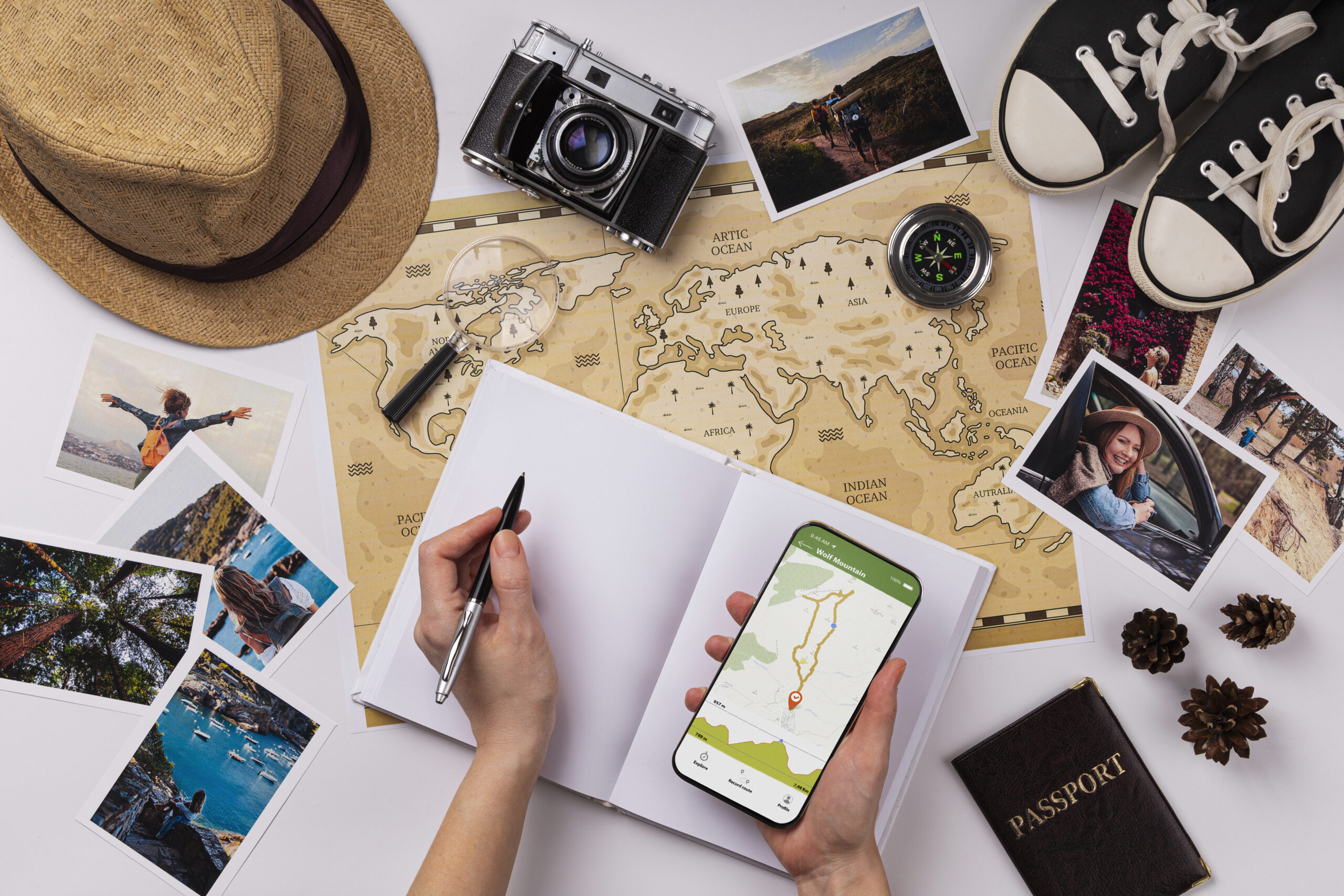
Before viewers see a single frame, the real work already begins. In fact, strong travel media storytelling starts long before the camera turns on. First, teams research the destination. They study its culture, history, and people. Then they look for a unique angle. Because without a clear story focus, the final content feels random.
Next, producers ask an important question. What story are we trying to tell? Is it about local food?
Is it about hidden communities? Or is it about transformation through travel? Once they define the angle, travel media storytelling becomes clear and focused.
Moreover, planning helps teams avoid mistakes. It saves time. It improves quality. And it ensures respect for local traditions. As a result, the final story feels thoughtful and authentic.
Here is what usually happens during pre-production:
Additionally, teams often create a loose storyboard. This does not limit creativity. Instead, it guides the narrative flow. Therefore, when filming begins, everyone understands the purpose.
In short, travel media storytelling succeeds because of careful planning. Without preparation, even the most beautiful destination can lose its impact. With preparation, every moment becomes meaningful.
Once planning ends, the real action begins. However, filming on location is never simple. Travel teams must stay alert. They must move fast. At the same time, they must protect the story’s emotion. That is where travel media storytelling becomes both creative and challenging.
First, visuals matter. Camera operators frame shots carefully. They use wide shots to show landscapes. Then they switch to close shots to capture emotion. Because of this balance, travel media storytelling feels immersive. Viewers do not just see a place. They feel present inside it.
Next, sound plays a powerful role. Teams record natural sounds such as street music, ocean waves, and local conversations. These sounds add depth. Without sound, even beautiful visuals can feel empty. Therefore, good travel media storytelling always captures both image and audio.
Moreover, human moments shape the story. A smile. A handshake. A short interview. These simple interactions often become the heart of the narrative. As a result, audiences connect emotionally rather than visually.
However, challenges appear constantly:
Despite these obstacles, teams quickly adapt. They adjust angles when needed and shift schedules without hesitation. They observe, wait, and act at the perfect moment. As a result, their flexibility ensures travel media storytelling stays authentic, engaging, and dynamic.
In the end, filming on location requires focus, patience, and creativity. Every frame matters. Every sound counts. And every moment contributes to a story that viewers will remember long after the screen goes dark.
After filming ends, another important phase begins. In fact, this is where the real magic happens. Editing transforms raw clips into a powerful narrative. Without editing, even the best footage feels incomplete. Therefore, travel media storytelling truly comes alive in the editing room.
First, editors review hours of footage. They select the strongest moments. Then they remove clips that feel repetitive or weak. Because attention spans are short, every second must matter. As a result, this becomes sharp and focused.
Next, editors build a clear structure. They decide how the story begins. Then they shape the middle. Finally, they craft a strong ending. This structure creates emotional flow. Viewers feel curiosity at the start. They feel a connection in the middle. And they feel satisfaction at the end.
Moreover, music and sound design add emotional depth. Soft music can create calm feelings. Upbeat music can build excitement. At the same time, natural sounds keep the story authentic. Because of this careful balance, travel media storytelling feels immersive and real.
Color correction also plays a key role. Editors adjust brightness and tone. They enhance natural colors without overdoing them. This step ensures consistency across scenes.
In short, editing shapes perception. It controls pace. It builds emotion. And most importantly, it turns simple footage into meaningful travel media storytelling that audiences remember.
Technology has changed how stories are captured and shared. Today, travel media storytelling moves faster and reaches wider audiences than ever before. Because of new tools, creators can show destinations in more immersive ways.
First, drones add powerful visuals. They capture wide aerial views that were once impossible. As a result, travel media storytelling now shows landscapes from dramatic angles. Viewers see mountains, coastlines, and cities from above. This perspective adds scale and emotion.
Next, small cameras and stabilizers improve motion shots. Creators can walk through markets or climb hills while keeping footage smooth. Therefore, the audience feels like they are moving inside the story.
Moreover, virtual reality and interactive screens are expanding digital travel media. At airports, large displays now showcase dynamic travel content. Travelers waiting for flights can explore destinations visually. Because of this innovation, travel media storytelling becomes part of the airport experience itself.
Artificial intelligence also plays a growing role. AI tools help organize clips, improve sound quality, and suggest edits. This saves time. It also increases efficiency in the travel content production process.
Additionally, real-time publishing allows teams to share updates instantly. Social platforms push stories to global audiences within minutes. As a result, travel media storytelling feels immediate and relevant.
In short, technology strengthens creativity. It enhances speed. And it allows storytellers to capture unique travel experiences in once unimaginable ways.
While travel videos look smooth and effortless, the process is often demanding. In reality, travel media storytelling involves constant problem-solving. Teams face pressure every single day. However, they continue because the story matters.
First, logistics can be complex. Equipment must travel safely. Flights can get delayed. Permits may take time. Therefore, planning and backup options become essential.
Next, schedules are usually tight. Crews may have only a few hours to capture important scenes. Light conditions change quickly. Weather shifts without warning. Because of this, travel media storytelling requires flexibility and fast decisions.
Moreover, cultural sensitivity is crucial. Teams must respect local customs and traditions. They must ask for permission before filming people. This builds trust and protects authenticity. Without respect, the story loses credibility.
Additionally, language barriers can slow interviews. Miscommunication may affect the message. So teams often rely on translators or local guides.
Despite these challenges, creators adapt. They stay patient. They stay focused. And they stay committed to honest storytelling. In the end, travel media storytelling succeeds not because it is easy, but because teams overcome obstacles with creativity and determination.
Today, audiences want more than polished videos. They want transparency. They want authenticity. That is why behind-the-scenes content matters so much. In fact, travel media storytelling becomes stronger when viewers see the process.
First, showing the effort builds credibility. When audiences see early morning shoots, long editing hours, or location scouting, they understand the work behind the final result. As a result, travel media storytelling feels honest and real.
Next, behind-the-scenes moments humanize the brand. Viewers see the crew laughing, adjusting cameras, or solving problems. These small glimpses create a connection. Because of this openness, trust grows naturally.
Moreover, social media has changed expectations. People now follow creators for personality, not just content. Therefore, sharing behind-the-scenes travel content increases engagement. Comments rise. Shares increase. Loyalty strengthens.
For airport media platforms, this transparency adds even more value. Travelers appreciate authentic stories while they wait for flights. Travel media storytelling that feels genuine stands out among generic ads.
In short, when audiences see how stories are made, they respect the process. And when they respect the process, they trust the story.
Travel media storytelling is changing fast. Technology, audience behavior, and creative approaches are shaping the future. As a result, creators must adapt to stay relevant.
First, immersive journalism is growing. Virtual reality, 360-degree videos, and interactive content allow viewers to explore destinations actively. Instead of just watching, audiences participate. This trend makes travel media storytelling more engaging.
Next, personalized content is on the rise. Platforms now use data to show travelers stories that match their interests. Someone interested in culture sees interviews and local markets. Someone focused on adventure sees hiking and extreme sports. Therefore, travel media storytelling becomes more targeted and effective.
Moreover, airport screens and travel lounges will play a bigger role. Real-time content, interactive guides, and curated stories can inspire travelers while they wait. This shift ties storytelling directly to travel experiences.
Finally, AI and smart tools will continue to support editing, sound, and scheduling. Creators can spend more time on creative decisions. As a result, future travel media storytelling will be faster, richer, and more immersive than ever before.
Travel media storytelling reveals the world in ways few people notice. Behind every polished video is careful planning, patient filming, and thoughtful editing. This process turns ordinary trips into powerful stories. Audiences connect with emotions, culture, and real human moments rather than just destinations.
As we have seen, technology, creativity, and attention to detail make travel media storytelling effective. Behind the scenes, teams overcome challenges, respect local customs, and adapt to unexpected situations. Their work builds authenticity and trust, making every story memorable.
Key Takeaways
A Few Fun Facts
This blog is brought to you by Reach TV, your source for travel insights and behind-the-scenes adventures.
Airport TV explained in simple terms. Learn how ReachTV transforms airport entertainment with live content and smart advertising.
Read more
Airport hacks 2026 to skip lines, save time, and travel smarter. Learn expert tips for smooth airport travel.
Read more
Discover trending travel destinations 2026 with best spring break destinations 2026 and top summer travel trends worldwide
Read more