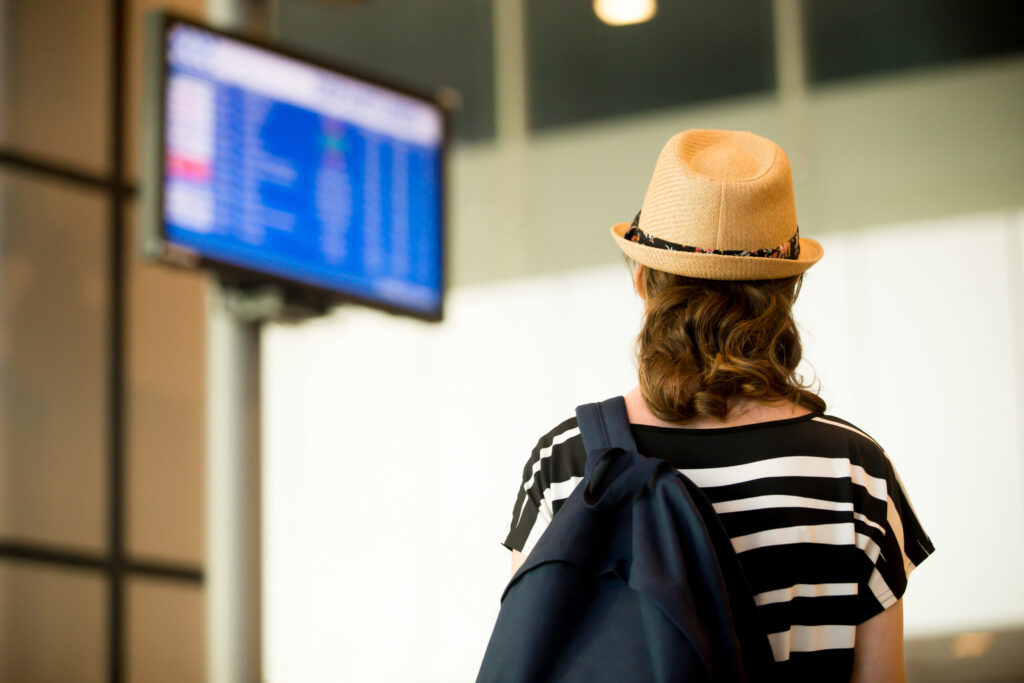
Airport TV Explained: How ReachTV Is Changing Travel Forever
Airport TV explained in simple terms. Learn how ReachTV transforms airport entertainment with live content and smart advertising.
Read more
Every year, the Super Bowl turns travel upside down. Tens of thousands of fans flood a single city in just a few days, booking flights, filling hotels, and crowding airports. For airlines, this short-term surge is a huge challenge. How can they add thousands of seats and extra flights without causing delays or chaos?
Behind the scenes, airlines rely on careful planning, smart scheduling, and flexible networks to make it work. From temporary nonstop routes to extra aircraft on popular flights, they pull off a complex operation in just a few days.
In this article, we will take you behind the curtain to see exactly how airlines handle this massive spike in travel.
Every year, the Super Bowl creates one of the most intense travel surges in the United States. Fans from across the country converge on a single city, all within a few days. The sudden concentration of demand puts pressure on flights, airports, and even local transportation.
Travel peaks just before the game and again right after. Hotels fill up fast, and airfare often jumps sharply. Airports see more passengers than usual in a very short time.
Unlike normal holidays, this surge is extremely concentrated. Airlines cannot spread the demand over weeks. They must adjust quickly to accommodate thousands of travelers while maintaining their regular schedules. This makes the Super Bowl one of the most complex short-term travel challenges in the industry.
Although the Super Bowl flight announcements often appear just days after the conference championships, airlines start planning months ahead. They know the host city, the stadium, and the expected fan turnout well in advance. This allows them to build a flexible plan that can handle a sudden surge in passengers.
Airlines prepare extra aircraft and crew without canceling regular flights. They study past travel patterns and predict which routes will need more capacity. Even temporary nonstop routes, which rarely exist during normal operations, are mapped out so fans can fly directly between key cities.
Airport logistics are also part of the plan. Gates, ground staff, and security arrangements are scaled to handle the peak. By coordinating with airports and authorities, airlines ensure flights remain on schedule. This careful planning shows how adaptable airline networks can be when demand spikes suddenly.
Airlines handle the Super Bowl surge by increasing capacity without disrupting their schedules. One method is using larger aircraft on routes that are already busy. This allows more passengers to fly without adding extra flights that could create congestion.
Another strategy is adding extra frequencies on key travel days. Airlines schedule additional flights when demand is highest, usually right before and after the game. These flights are layered carefully so that they fit smoothly into existing schedules.
Airlines also shift aircraft from lower-demand markets. Planes that would normally operate on less busy routes are temporarily reassigned to high-demand cities. By moving resources where they are needed most, airlines can meet the surge in passengers while keeping regular flights on time. This approach works because the network is designed to be flexible, and careful planning ensures every flight fits into the broader schedule.
During Super Bowl week, airlines often break their usual hub-and-spoke rules. Normally, most flights go through central hubs to simplify connections, but fan demand creates a unique opportunity. Airlines introduce point-to-point flights that normally would not exist.
These special flights are timed carefully around the game weekend. Fans can fly directly from cities that usually require connections, making travel faster and more convenient. Once the event is over, these routes vanish. Airlines return to their regular schedules because the demand spike is short-lived and highly concentrated.
This approach shows how flexible airline networks can be when demand suddenly peaks. Temporary nonstop flights maximize efficiency while giving fans a smoother travel experience.
Not all airports respond to the Super Bowl surge in the same way. Slot-restricted airports have limited takeoff and landing windows, which makes adding flights harder. Non-slot-restricted airports, on the other hand, can accommodate extra flights more easily.
Secondary airports near host cities often become crucial. They allow airlines to route additional flights without overwhelming the main hub. Gate availability, runway flexibility, and staffing levels all affect how smoothly extra capacity can be handled. Airport authorities and air traffic control teams plan for months to manage peak passenger loads.
Airports that combine flexibility, space, and operational experience are better equipped to handle tens of thousands of travelers in a short period. This careful planning keeps schedules on time and reduces stress for fans and airlines alike.
Airports and airlines increase staff during Super Bowl week to keep operations smooth. TSA adds extra personnel, making security lines move faster despite the surge in travelers. Airports extend operating hours to handle the peak, especially for early arrivals and late departures.
Airline crews also work with scheduling buffers. Extra pilots and flight attendants are on standby to cover unexpected delays or increased flights. The Monday after the game is often the busiest travel day as fans return home, and these adjustments ensure flights remain on time and passengers experience minimal stress.
Airlines use major events like the Super Bowl to connect with fans beyond just selling tickets. They assign themed flight numbers, such as references to players or pop culture, creating a sense of fun and community for travelers.
Fan-focused branding helps airlines stand out in a crowded market. It also strengthens loyalty, making passengers feel part of a shared experience. This strategy shows that marketing and aviation operations can work together to enhance the travel experience while boosting the airline’s visibility.
The Super Bowl strategy is rooted in college football travel. Airlines have been creating point-to-point flights for college games for years, helping fans reach smaller college towns without multiple connections.
These flights became popular because they reduce travel friction and allow airlines to charge premium fares for concentrated demand. Over time, the model was refined and scaled up.
The Super Bowl now represents the largest version of this strategy, applying the lessons learned from years of college football operations to one of the world’s biggest single-weekend travel events.
Airlines manage the Super Bowl travel surge through careful planning, flexible networks, and precise timing. From adding extra flights to creating temporary nonstop routes, every decision balances efficiency with passenger convenience. The operation is complex, yet thanks to months of preparation and coordinated airport efforts, flights often land right on schedule.
Next time your Super Bowl flight touches down smoothly, remember: it probably took spreadsheets, sleepless planners, and a few coffee-fueled strategy sessions to get you there.
Ready to travel smarter?
Check out our tips for booking hassle-free flights during major events and make your next game-day journey a breeze!
Source:
We drew inspiration from Simple Flying to give you a behind-the-scenes look at Super Bowl travel.
Airport TV explained in simple terms. Learn how ReachTV transforms airport entertainment with live content and smart advertising.
Read more
Airport hacks 2026 to skip lines, save time, and travel smarter. Learn expert tips for smooth airport travel.
Read more
Discover trending travel destinations 2026 with best spring break destinations 2026 and top summer travel trends worldwide
Read more